






















Executive Strategy: The Logic of Redundancy Mitigation
In the architectural development of a Neverness to Everness (NTE) account, the S-Rank standard selection box is not a gift, but a high-precision instrument for long-term stability. The strategic deployment of this asset determines whether an account maintains a competitive trajectory or suffers from “bricking”—a state of sub-optimal resource allocation that hinders progress in endgame environments. To secure the eight-character roster required for high-tier content, one must prioritize efficiency over impulse.
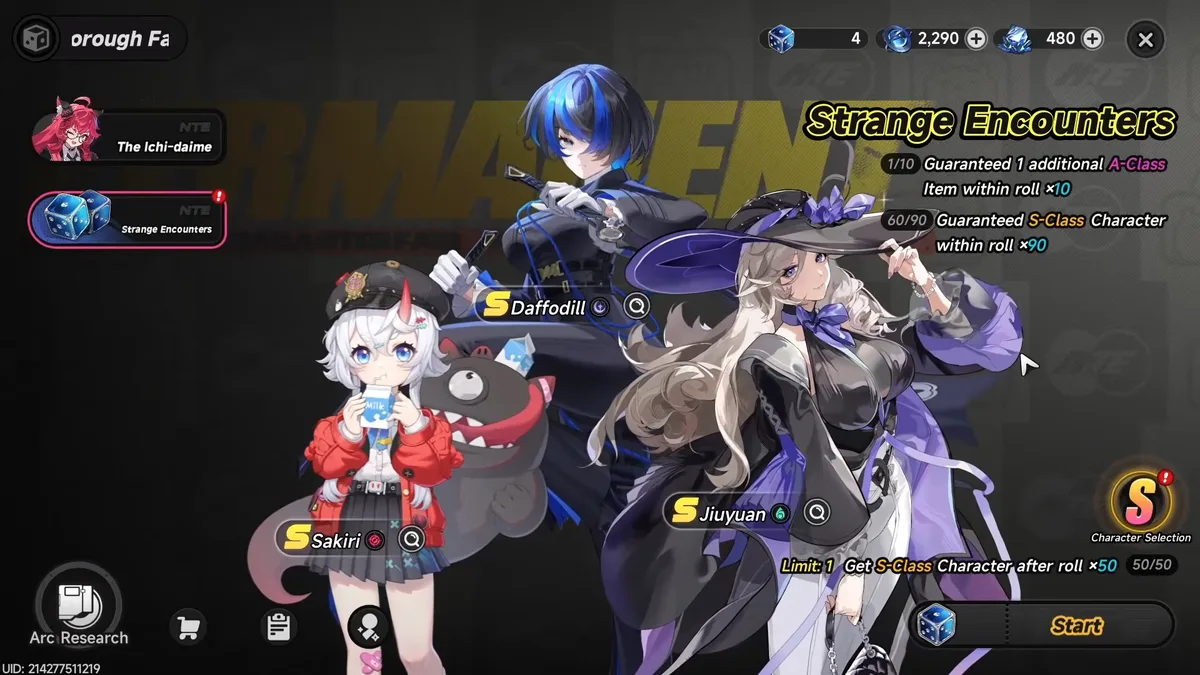
The primary directive for any strategist is the practice of Redundancy Mitigation. The selector must be withheld until the next S-rank unit is naturally acquired through the standard banner’s pull cycle. By delaying the choice, the player ensures the selector is used to bridge a specific elemental or role-based deficit rather than yielding a duplicate of a unit that could have been obtained via pity. This clinical approach maximizes team diversity and ensures a higher Internal Rate of Return (IRR) on account investments.
- Redundancy Mitigation: Delay selector usage until after the next natural S-rank pull from the standard banner to prevent inefficient duplicates.
- Retention Metrics: While efficiency is paramount, horizontal investment in preferred units is a permissible metric if it prevents player burnout and ensures long-term account activity.
- Dual-Team Architecture: All selection decisions must contribute to the realization of two distinct, high-functioning combat teams (eight total units).
With the temporal logic of selection established, we move to a tactical evaluation of the current roster’s utility.
Tactical Meta-Analysis: Character Utility and Element Synergies
Successful endgame navigation requires a clinical deconstruction of the “Four-Slot” team structure: Main DPS (field-time intensive damage), Sub-DPS (off-field reactionary support), Tanks (mitigation/sustainability), and Buffers (stat amplification). The following table outlines the strategic value of the current selector pool (
 Sakiri
,
Sakiri
,
 Hathor
,
Hathor
,
 Baicang
,
Baicang
,
 Fadia
,
Fadia
,
 Daffodill
, and
Daffodill
, and
 Jiuyuan
).
Jiuyuan
).
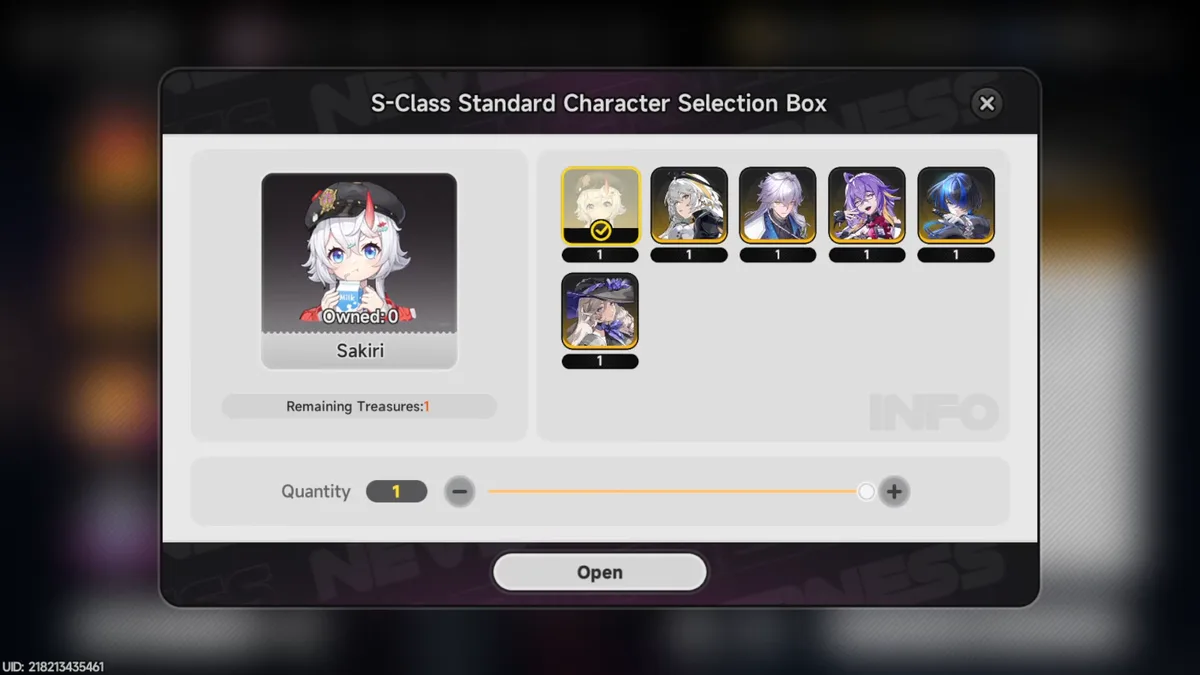
| Character Name | Role | Element | Core Strategic Value |
|---|---|---|---|
|
Sakiri
|
Incantation Buffer | Incantation | Unique Grouping CC and massive ATK amplification. |
|
Baicang
|
Main DPS | Incantation | DoT specialist with execution and Scorch enhancement. |
|
Daffodill
|
Sub-DPS | Chaos | Unique Chaos element; essential for Scorch reactions. |
|
Jiuyuan
|
Sub-DPS | Anima | High DPS; transitions into hybrid healer at first dupe. |
|
Hathor
|
Sub-DPS | Lakshana | Essential non-combat resource generation passive. |
|
Fadia
|
Tank | Psyche | Superior damage absorption and team-wide sustainability. |
The Sakiri Imperative
Sakiri currently holds an irreplaceable niche in the competitive landscape. She is the only unit in the game capable of delivering simultaneous grouping crowd control (CC) and a significant attack buff. In any environment where enemy density is high, Sakiri is the primary engine for clearing speed. For players lacking this specific utility, she is the mandatory selection.
Functional Categorization
- Main DPS (
Baicang
): Baicang utilizes complex “Power Words” to inflict Damage over Time (DoT) and can execute targets under 10% HP. He requires a high field-time commitment to maximize his cycle rate.
- Sub-DPS Specialists (
Daffodill
,
Jiuyuan
): Daffodill is a high-priority asset as the only Chaos element character in the current pool. This makes her the exclusive enabler for Scorch reactions. Jiuyuan offers robust Anima damage and provides hybrid healing utility upon reaching her first awakening level.
- Utility/Sustainability (
Fadia
,
Hathor
): Fadia serves as the primary Psyche mitigation unit. Hathor, while a functional Lakshana Sub-DPS, is often selected for her high-yield passive utility rather than raw combat output.
The Passive ROI: Evaluating Hathor’s Long-Term Value
Resource management is the bedrock of account longevity. In this context,
Hathor
represents a unique investment due to her “Hamster Ball” apartment passive. This ability generates one free module piece daily, creating a passive income stream of 30 modules per month.
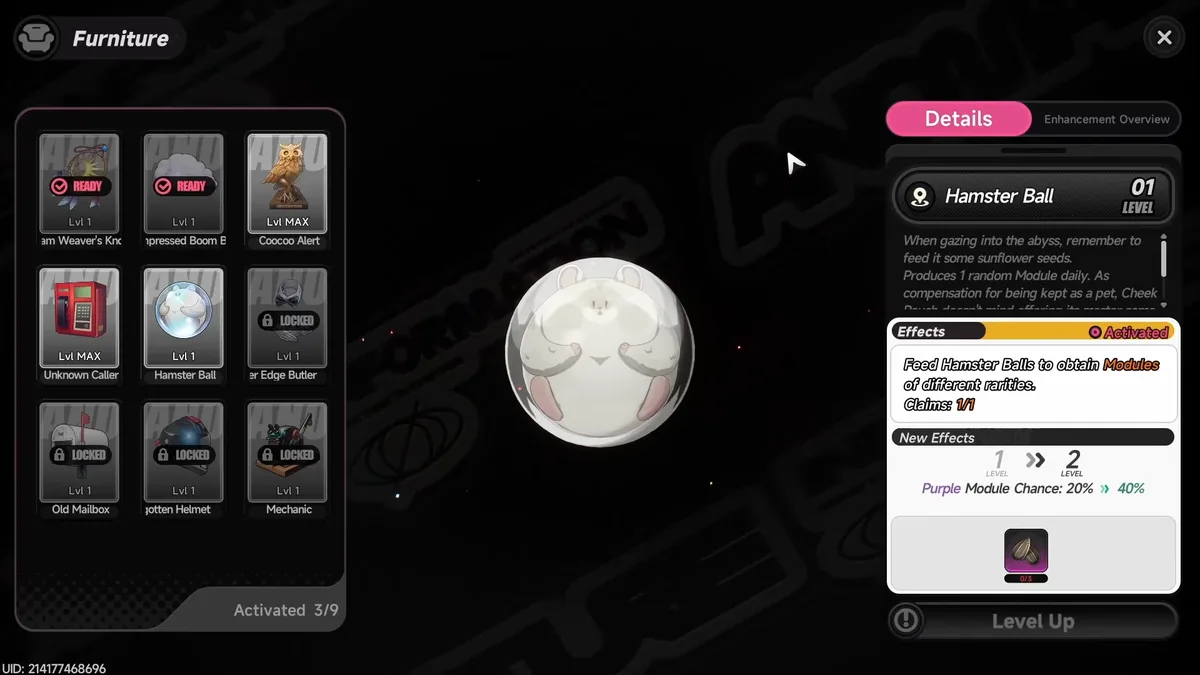
Strategic Verdict: While modules are farmable, the cumulative advantage of a 365-piece annual lead provides a significant edge in gear-gated endgame stages. Hathor is classified as a high-priority pick specifically for players who have already established two functional combat teams. Selecting her earlier constitutes an opportunity cost against immediate combat power (e.g.,
Sakiri
or
Daffodill
), but yields the highest long-term account IRR.
End-Game Architecture: Team Composition Blueprints
The NTE endgame demands the synchronization of character cycles. The following blueprints are optimized for high-level content, noting that units like
 Nanally
(Limited) serve as the intended targets for standard support units.
Nanally
(Limited) serve as the intended targets for standard support units.
Blueprint A: The Nanally Engine (Main DPS: Nanally)
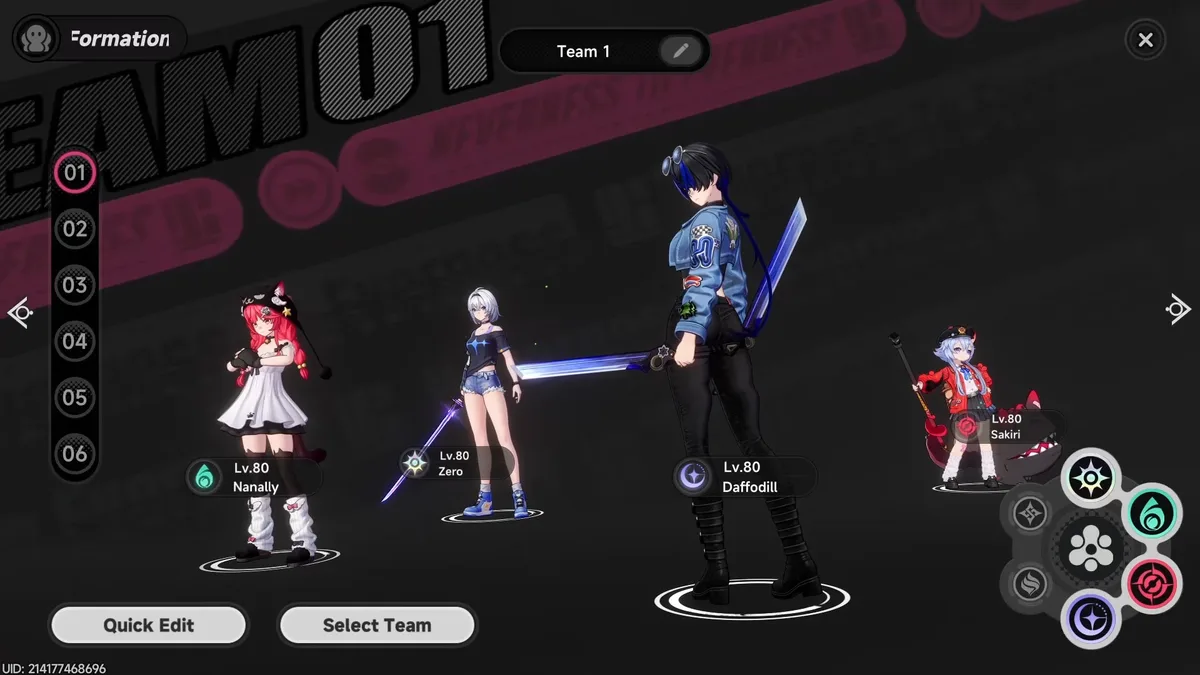




Strategic Synergy:
 Zero
is mechanically irreplaceable in Anima teams due to the instant esper cycle meter provided by their skill. This ensures a constant rotation of Nanally’s high-impact abilities.
Zero
is mechanically irreplaceable in Anima teams due to the instant esper cycle meter provided by their skill. This ensures a constant rotation of Nanally’s high-impact abilities.
Blueprint B: The Baicang Scorch Team (Main DPS: Baicang)
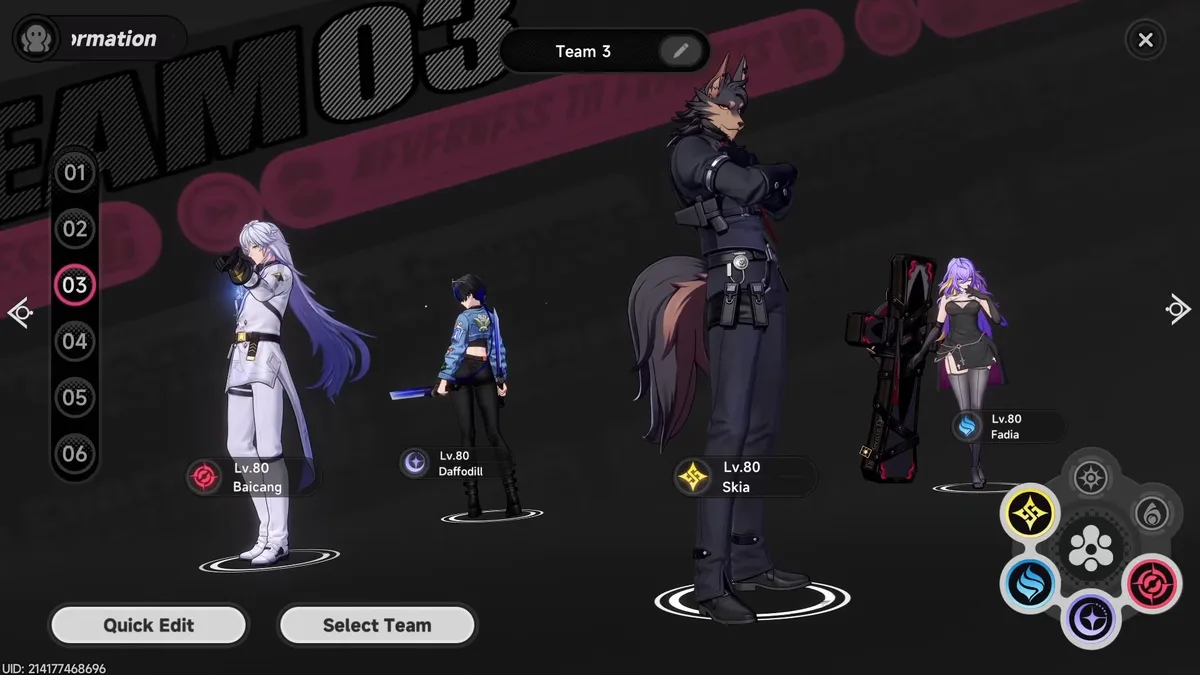




Strategic Synergy: This composition relies on “Scorch Reactions.” Because Daffodill is currently the only Chaos element unit, she is the mandatory partner for Baicang to trigger these specific elemental interactions and maximize DoT efficiency.
Blueprint C: Full Sub-DPS “High-Swap” Variant
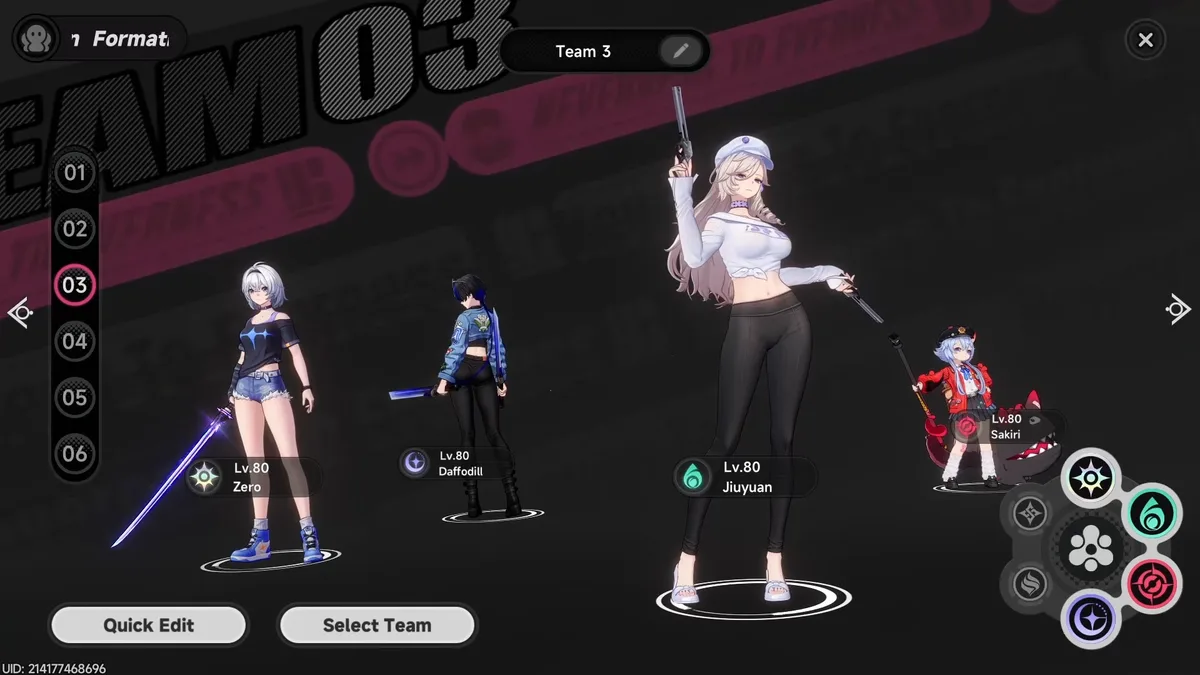
Strategic Synergy: This architecture eschews a traditional hyper-carry in favor of a high-swap combat flow. It relies on constant QTE and Chain Skill triggers to maintain pressure, utilizing Zero’s cycle meter to rotate through high-damage Sub-DPS bursts.
Economic Advisory: The Fair Exchange “Trap”
The “Fair Exchange” section of the Mall presents a high-risk economic scenario. While it appears to offer an additional S-rank selector, it is currently categorized as a “Trap” for F2P players and low-spenders.
The currency required for these exchanges is exceptionally scarce, generated primarily through high-volume summoning. Spending this currency to acquire standard banner characters—who are already obtainable via the free selector and natural pity—is an inefficient allocation of capital.
Directive on Currency Conservation: Data suggests that limited banner characters, such as Nanally or the upcoming
 Lacrimosa
, may eventually be added to this exchange shop. Conserving this currency is the only rational strategy. Purchasing standard units now risks the inability to secure a limited-tier unit later when they enter the exchange pool.
Lacrimosa
, may eventually be added to this exchange shop. Conserving this currency is the only rational strategy. Purchasing standard units now risks the inability to secure a limited-tier unit later when they enter the exchange pool.
Summary
Account longevity is predicated on the transition to an eight-character, two-team architecture. Success requires the disciplined use of the selector to mitigate redundancy, the prioritization of Sakiri’s unique grouping utility, and the avoidance of high-risk currency traps in the Mall. Invest for the roster you require for the endgame, not the character you desire for the moment.
Video Guide
Related Neverness to Everness Resources

Guide
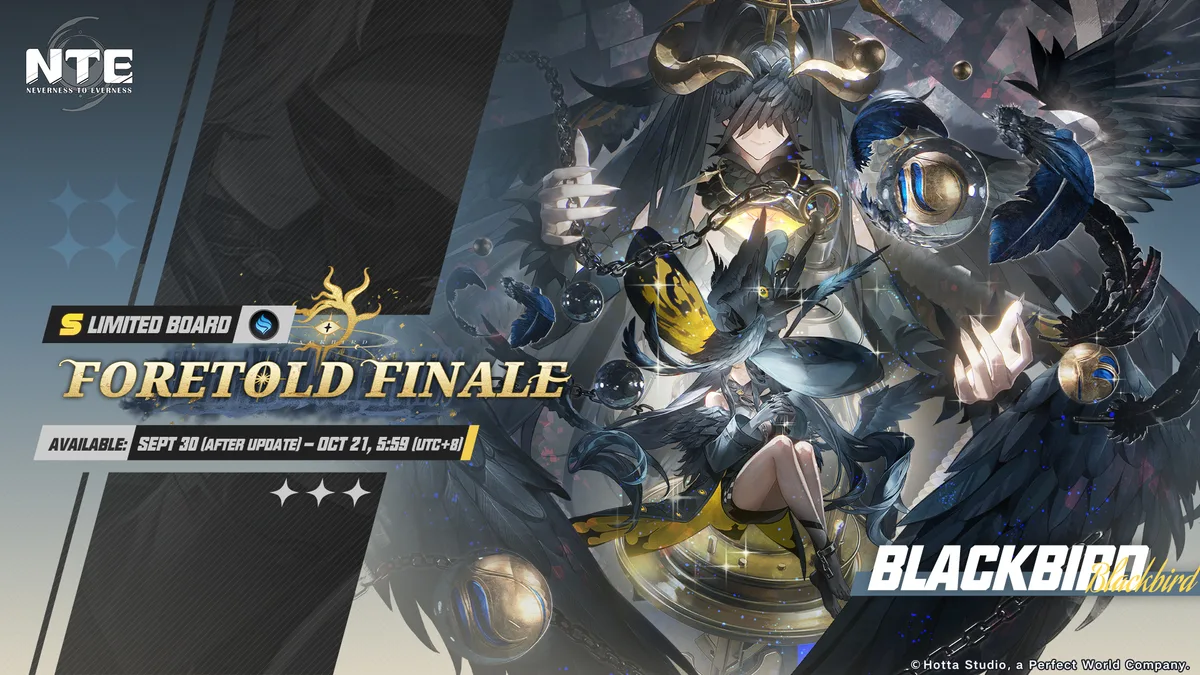
Blackbird: Rotation, Teams & Awakening Guide
How Blackbird's Malice, Forsaken Feather and Witch of Deliverance fit a rotation, the Nova team that suits her best, her build, and which Awakenings and signature Arc are worth pulling for.

Guide
Last Bus Out and Perfectly Common Dreams: Duskmoor Anomaly Commission Walkthrough
How to trigger and solve the two new Duskmoor Anomaly Commissions from Version 1.4: the Wayward Line bus and the Dreamaway Pillow dream.

Guide
Lilliput in the Looking Glass: All 3 Escape Routes
Walkthrough for the Pukaland Anomaly Commission Lilliput in the Looking Glass: the bedroom, bathroom and kitchen escape routes and every step of each.
News
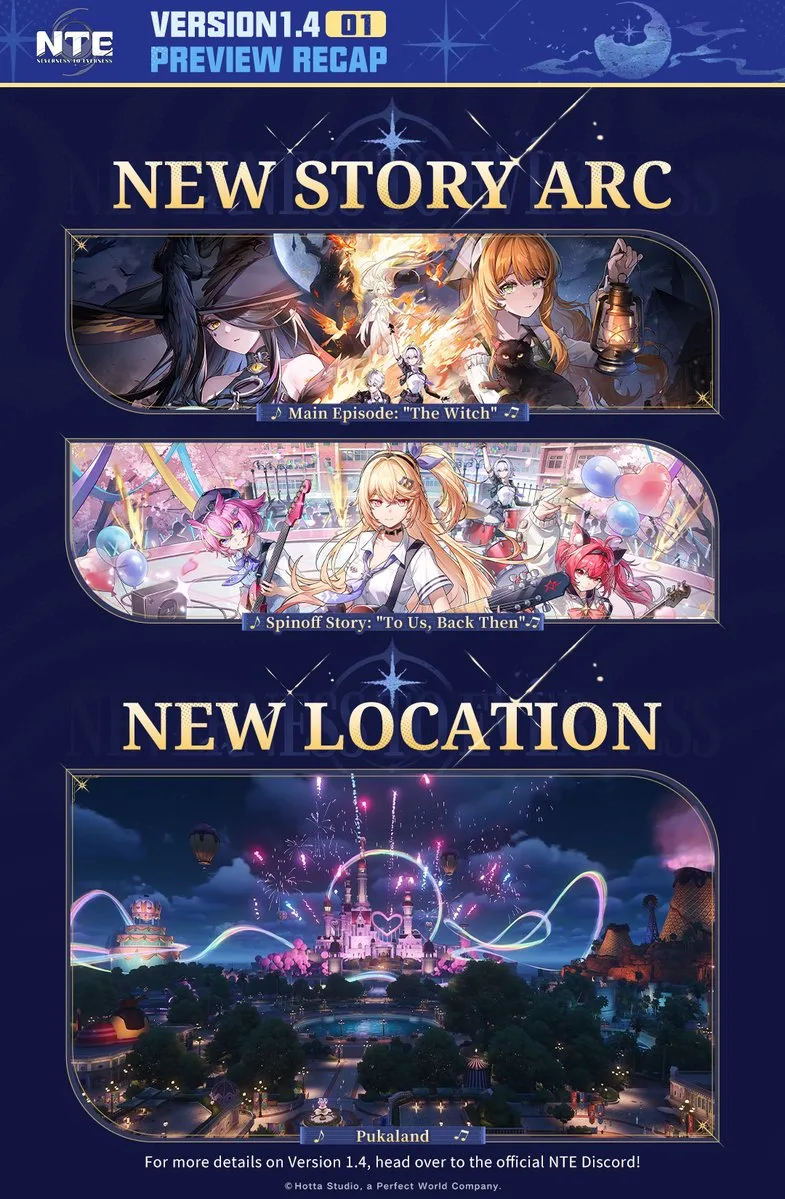
NTE 1.4: Blackbird, Pukaland, Porsche and a Free Code
Version 1.4 lands September 30 with limited S-class Blackbird, a Lacrimosa rerun, the Pukaland theme park, a Porsche collab and 600 Annulith of compensation.
News
NTE Version 1.4 Preview Special Program Recap
NTE's Version 1.4 "For Whom the Verses Mourn" preview show aired, with a follow-and-quote giveaway for Fabricated Dice running through September 18.