


































Start with Sidequests
Before any of the trading mechanics matter, do every sidequest available in every city you can reach. Each one raises that city’s affinity, and city affinity is what unlocks more items to buy and more goods to trade there. This is the single highest-leverage thing you can do for your Potch income, and it is easy to leave half-finished.
Two things catch people out. Some sidequests only appear at night, as do some chests, so change the time of day and sweep the city again — Lenankamp and Kaku both hide quests this way. And once a city’s sidequests are exhausted, trading itself continues to raise the remaining affinity, so the two systems feed each other. More sidequests arrive with chapter 3 and beyond.
The current demand and route data for every city is on the trade page.
The Three Menus
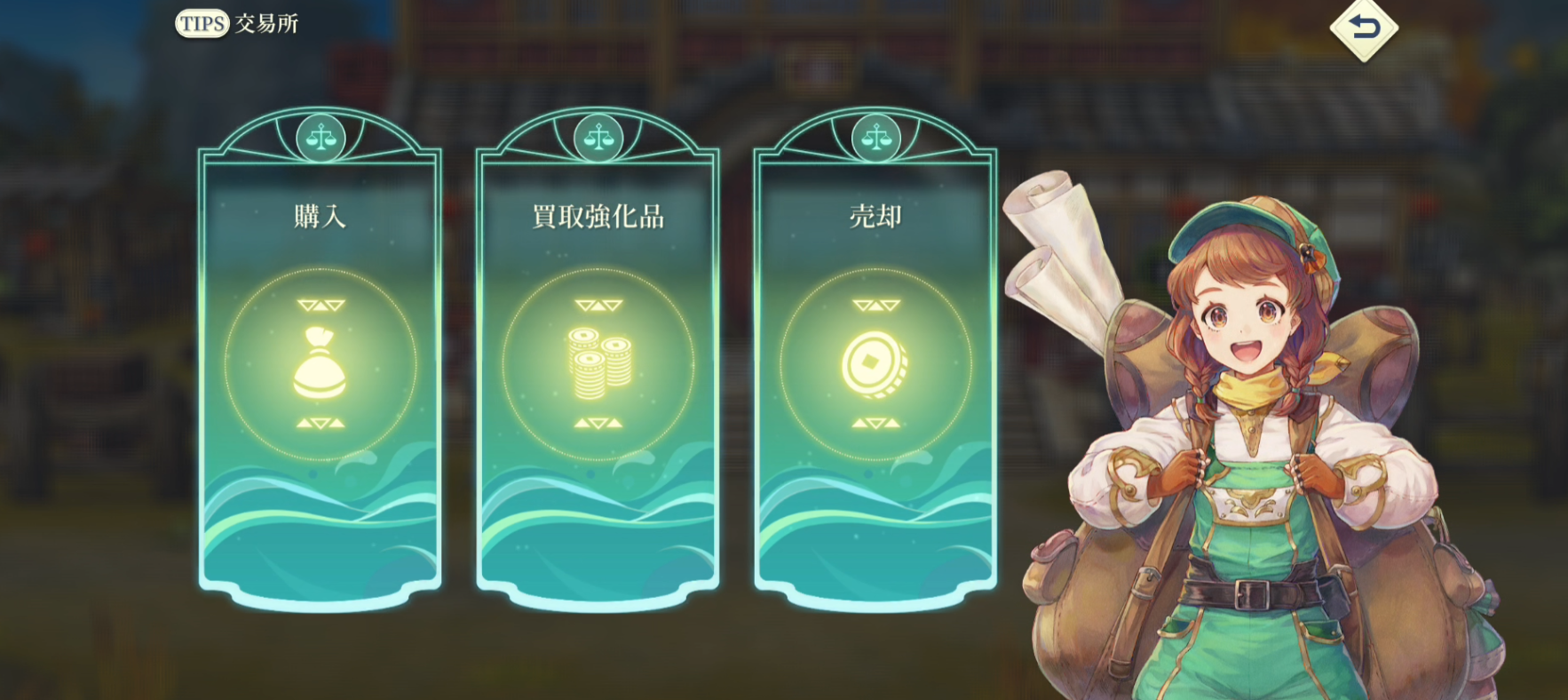
The trading post has three options, and it is easiest to understand them in reverse.
Selling for city coins
The last option lists the resources you are currently carrying and sells them for city coins, with the destination chosen by tapping a city’s coin icon. This is the weakest use of your materials in almost every case. Leave it alone unless you specifically need that city’s coins for something.
Selling into demand
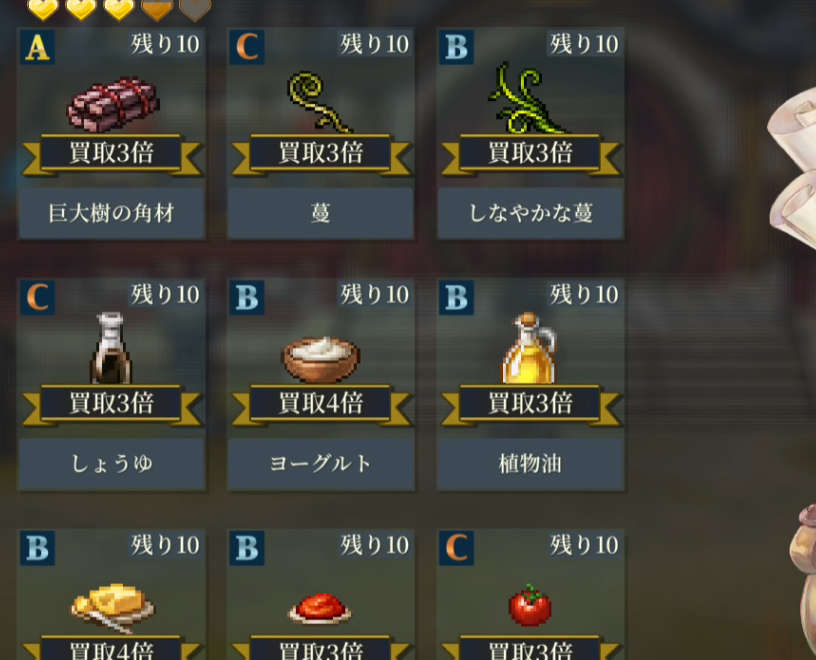
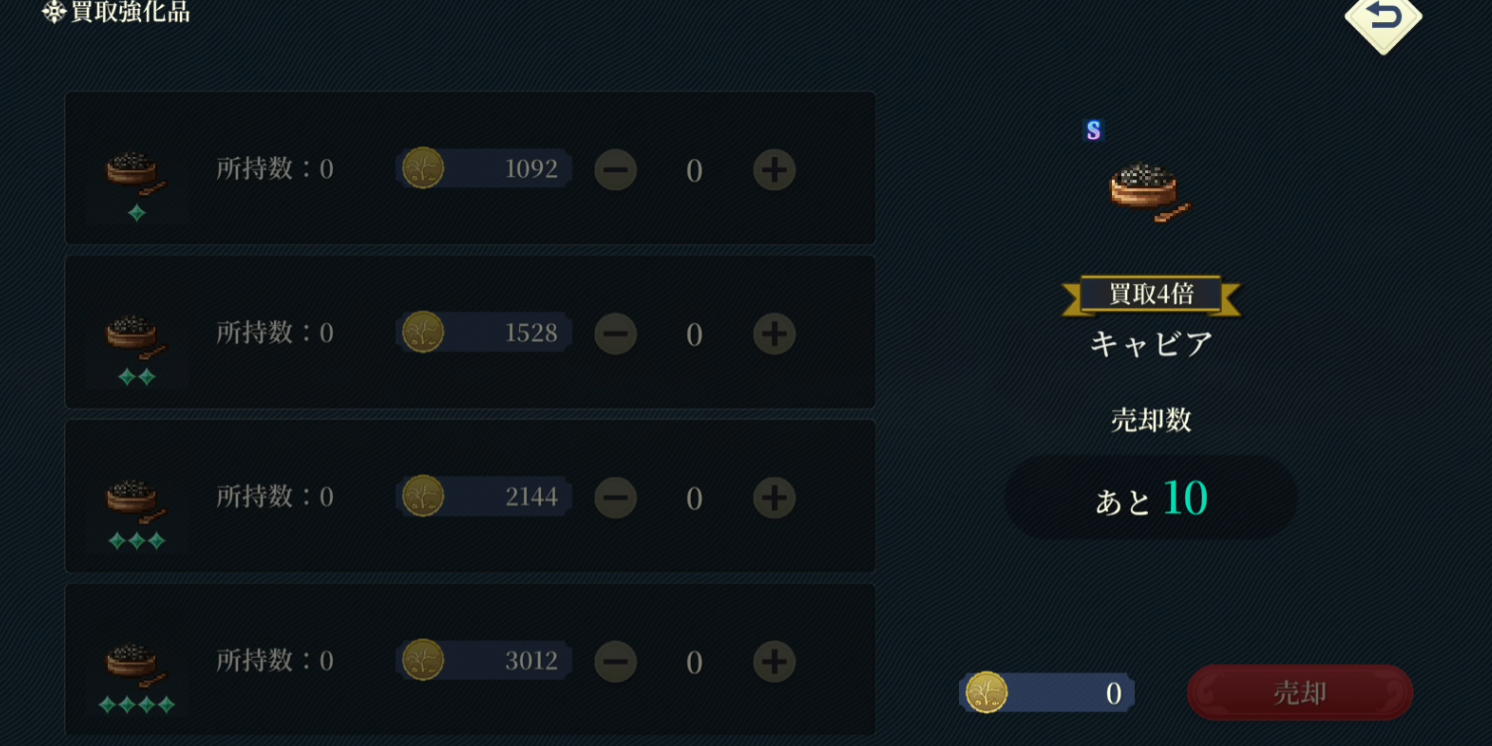
The middle option is where the money is. Each city publishes a list of resources it needs and pays above the normal price for them, and the exact price scales with the quality of the item you hand over. That is the direct link between the minigames and your Potch: a high-scoring harvest produces high-grade goods, and high-grade goods sell into demand for substantially more.
You can also combine resources with
 Yua
to craft higher-value goods before selling them.
Yua
to craft higher-value goods before selling them.
The cap is 10 units per item, which is the main constraint on how fast this scales.
Buying
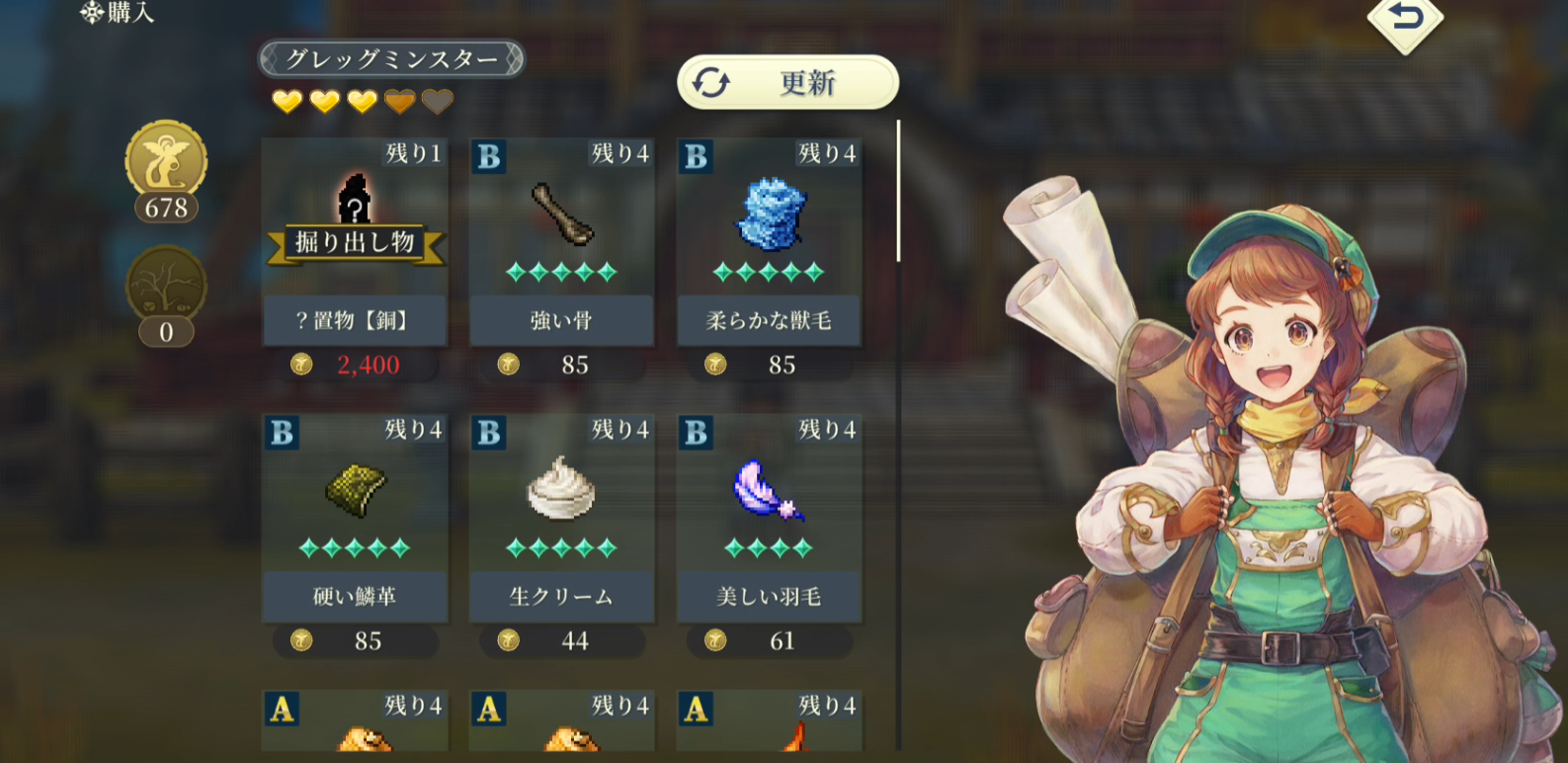
The first option buys from the city, and the stock refreshes twice for 5,000 Potch. What is on offer is high-quality material for crafting, cooking, and — importantly — for trading straight back out to another city.
Some of the items you buy are mystery goods, which
 Lei
appraises for Potch once you have unlocked him.
Lei
appraises for Potch once you have unlocked him.
The Arbitrage Loop
The buy and sell menus together form a simple, repeatable money engine. The loop runs like this:
- Put together starting capital of around 1,000 Potch.
- Find a city paying a 4× multiplier on some good, then check whether another city sells that same good in its shop.
- Buy it cheap in the second city and sell it into the 4× demand in the first.
- Repeat.
That is the entire strategy, and it compounds quickly — an hour of running it from a standing start turns a trivial stake into serious capital. The work is in the checking, since the profitable pairs move as demand rotates.
Practical Habits
- Check both directions before selling. An item that a city wants may also be resellable elsewhere for more, and the 10-unit cap means you want each slot filled with your most profitable good.
- Bank your best-quality materials. Selling a grade of material you could have cooked with is a real loss, since bond levels are slower to replace than Potch.
- Refresh with intent. The 5,000-Potch refresh pays for itself easily when you already know which good you are hunting, and it is a waste when you are browsing.
- Sweep at night. Any city you cleared during the day probably still has quests and chests waiting after dark.
Related Suikoden STAR LEAP Resources

Guide
Gear, Accessories and Runes: What to Farm
Equipment ranks and slots, elemental gear sets from EX bounties, why disguises cost more than they give, which accessory each role wants, and the runes worth 99,999 Potch in Suikoden STAR LEAP.

Guide
Buffs, Debuffs, and Positioning: The Hidden Half of Combat
Stat stages and their speed multipliers, how percentage buffs differ from stacking ones, row-based support passives, and how to aim a unite attack in Suikoden STAR LEAP.

Guide
Character Growth: Cooking, Training and Stars
How bond levels, the Talent Tree, offline EXP, shard training, and the Tablet of Promise combine to raise characters in Suikoden STAR LEAP.

News
Suikoden STAR LEAP: New Event RPG and a Free SSR Nanami
A four-episode Event RPG opens September 30 with up to 24,000 Fantasy Stones and two new SSRs, alongside a login bonus for Suikoden: The Anime's Nanami.

News
Suikoden STAR LEAP: Chapter 3 Story and a QoL Overhaul
New Chapter 3 story, the Emotions & Secrets banner with Rachana, Gremio and Hou, badges, and a September 21 update with bulk trading and eight party slots.